Trend guide
The Tiny Desk AI Trend, Explained
The Tiny Desk AI trend is a viral short-video format in which an unexpected performer, such as a coworker, a pet or a whole friend group, is placed behind a cluttered office desk with a small band and made to sing as if at a Tiny Desk concert. Many early clips re-cast the performance of "Outstanding"; Tiny Desk AI works differently and generates a new clip, with music made for it, from your photos. The room is modest, the delivery is fully committed, and the distance between the two is what makes people watch to the end.
This guide covers where the AI desk concert video came from, the reasons it spreads so easily, what separates a clip people share from one they scroll past, and how to take part without causing trouble for anyone.
What an AI desk concert video is
An AI desk concert video is a short clip, usually 9:16 and sometimes 16:9, that imitates the feel of an intimate office performance. Three ingredients show up every time:
- The room. A real-looking workspace that has been taken over: a desk piled with papers, shelves of records, plants, a lamp, maybe a mug that has been there since Monday.
- The band. A few players squeezed shoulder to shoulder around the desk, close enough to the lead that the frame feels crowded in a good way.
- The lead. Someone who is clearly the centre of the song, and who is often not a musician at all.
Clips like this go by several names. You will see them called "Outstanding Tiny Desk" videos, AI Tiny Desk clips or simply desk concerts. They borrow the idea of a small, close-up performance, and then put an ordinary person in the middle of it.
Tiny Desk AI is an independent tool. It is not affiliated with or endorsed by NPR, Tiny Desk Concerts or any artist, and the music in every clip is generated for it.
Where the trend came from
The format took off in the third week of October 2026. After five top college football teams lost on the same Saturday, a Nashville songwriter who posts on TikTok as @theburnerfromhe11 recast the five head coaches as a soul group playing a desk concert. Sport & State reported that he started from a 30-second clip of Charlie Wilson's 2023 Tiny Desk performance of "Outstanding", the 1982 Gap Band song, and used an AI video tool to swap the performers. The finished clip runs 19 seconds. It spread across TikTok and X, and The Athletic covered it on October 23.
Within days, desk-concert videos of other casts followed. Viewers did not copy the exact joke. They copied the structure and put their own people in it: an office team, a rival fan base, a family, a cat.
That explains the speed. The recipe is easy to repeat: one clear photo of the people involved, a setting that fits the head count and a caption that points at the joke. Nothing about it needs a camera crew, a studio or any musical skill from the person on screen.
What the real Tiny Desk Concerts are
The look being imitated comes from NPR Music's Tiny Desk Concerts, a series of short, stripped-down live sets filmed in a Washington, D.C. office. The first one happened in 2008: Bob Boilen and Stephen Thompson left a South by Southwest show where the crowd noise drowned out the music, and a month later Boilen had folk singer Laura Gibson play at his desk.
Everything people copy is a result of that origin: the crowded shelves, the toys and records on every surface, and the band squeezed into a corner because there is nowhere else to stand.
Tiny Desk AI has no link with that series. Tiny Desk AI clips are generated from your photos rather than cut from NPR footage, the templates are designed to avoid existing recordings, and a clip should never be presented as a real performance.
Why the Tiny Desk AI trend works
Three things do most of the work.
1. Contrast between the room and the voice. A tiny, untidy office is the opposite of a stadium stage, so any big, polished performance in it feels like a surprise. The smaller the room, the larger the voice seems.
2. The unexpected performer. The clip pays off when the lead is someone you did not expect to sing: the quiet colleague, the strict teacher, the group chat's loudest argument. Recognition is the engine. If viewers know the person, the clip is personal. If they do not, the contrast has to carry it alone.
3. Pacing that suits the phone. 9:16 framing puts the lead and the band in a tight column, 16:9 spreads the band sideways and suits group templates, and fifteen seconds is long enough to establish the room, land the groove and end before attention drifts. Sound does a lot here. A confident first bar tells viewers within a second that this is a performance, not a slideshow.
There is also a quieter reason: it is kind. The best versions tease their subject with affection. People send them to the person in the picture because they are pleased with it, which is the strongest kind of sharing there is.
What separates a good clip from a forgettable one
Two clips can use the same tool and the same format and still land very differently. These are the differences that show up most.
| Choice | Clips people share | Clips people skip |
|---|---|---|
| Subject | A specific person or group the audience knows | A stock-looking face nobody connects to |
| Template | One that fits the head count and the joke | Whatever was selected first |
| Photo | Clear, well lit, face easy to see | Tiny faces, heavy filters, dark rooms |
| Caption | One line that names the joke | A paragraph explaining it |
| Count | One lead, a pair, or a front row small enough for every face to be clear | A big crowd squeezed into one photo |
| Label | Marked as AI-generated | Presented as a real performance |
The pattern behind the table is restraint. One joke, one subject, one template. If you try to make a clip about five things, viewers will not be able to name any of them.
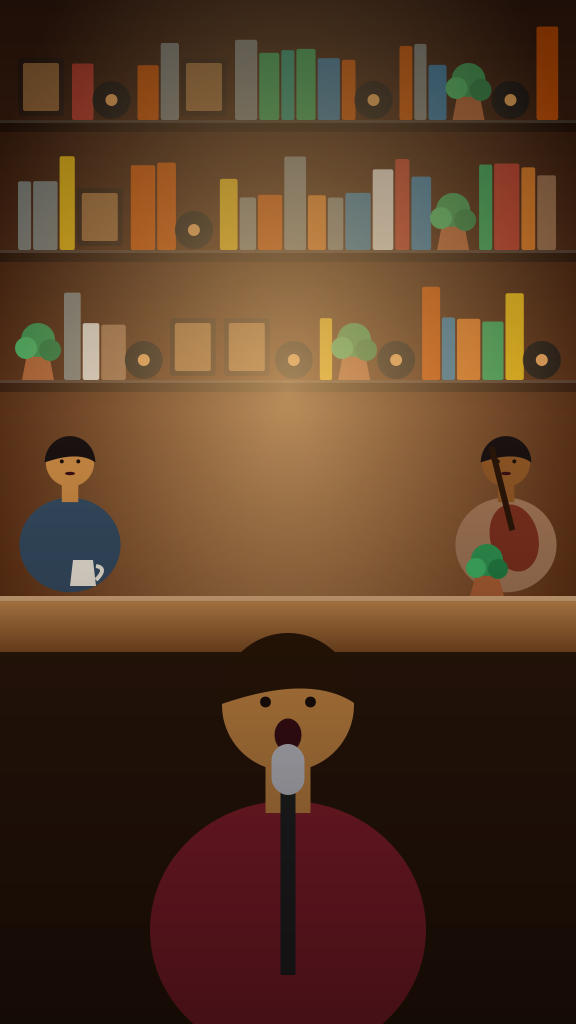
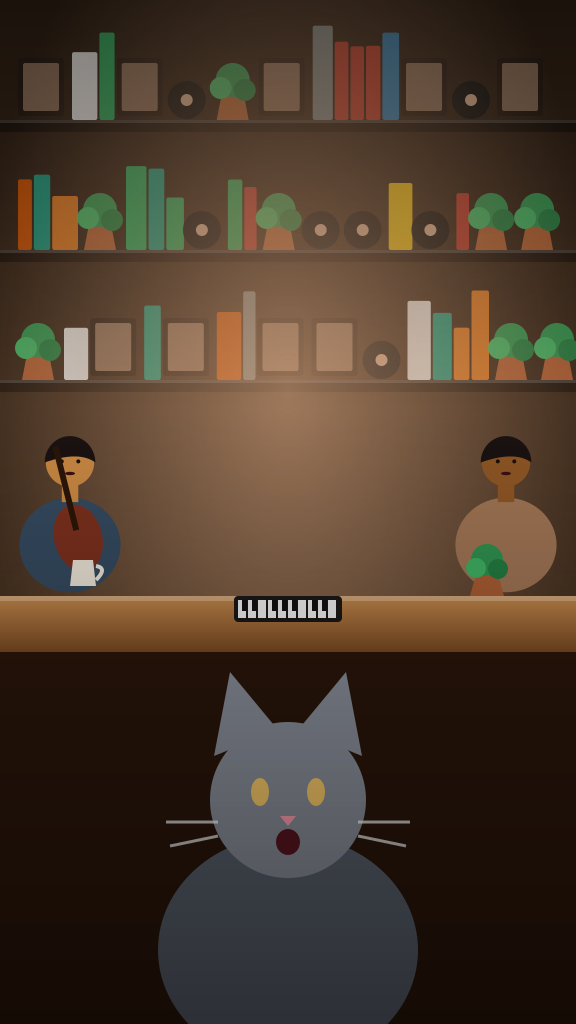
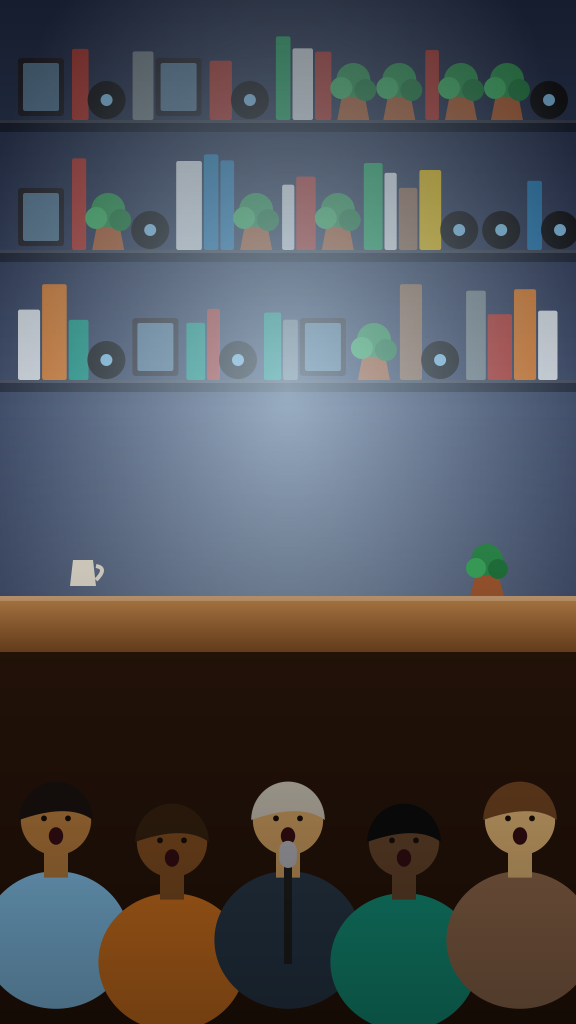
Choose the template last, after you know the joke and how many people are in it. A solo lead fits Solo Soul Concert, a pair fits Harmony Pop Duet, a team or a family fits Group Vocal Concert or Group Sing-Along, and any pet fits Singing Cat Concert. The 20 ideas for who to put behind the desk are organised around exactly this question.
How a Tiny Desk AI clip differs from the viral edits
The clips that started the trend were edits of existing concert footage with famous faces swapped in. A Tiny Desk AI clip is built differently, and that changes what you can safely do with it.
| Viral re-cast edits | Tiny Desk AI | |
|---|---|---|
| Starting point | Footage of a real concert | One to five photos you upload |
| Who sings | Real public figures | You, your friends, your family or your cat |
| Room, band and song | The original performance | Generated for each clip from a template |
| Public figures | The whole joke | Not allowed |
| Result | Depends on the editor and the source clip | One 15-second video in 9:16 or 16:9, with sound |
If you want to try the second column, the step-by-step guide takes about ten minutes the first time.
How to join the trend responsibly
A friendly joke needs a few ground rules to stay friendly.
- Adults only. Do not upload photos of children. Tiny Desk AI asks you to confirm this before every generation.
- Get permission. If someone is recognisable in the photo, ask them first. A teasing clip about a friend is fine when the friend says yes.
- No celebrities or public figures. The tool is meant for you, your friends and your cat, not for putting a famous person in a performance they never gave.
- Label the clip. Say it is AI-generated in the caption or with the platform's label. TikTok, for one, offers creators an AI-generated content label for exactly this. It keeps the joke clear and protects the people in it.
- Do not imply it is real. Nothing here is connected to NPR, Tiny Desk Concerts or any artist, and your caption should not suggest otherwise.
- Keep the music original. Every song is generated for the clip. Do not describe it as a real artist's track.
If you are ready to try, the step-by-step guide to making a Tiny Desk AI video walks through the process, and the photo guide explains which picture to start with. Each generation is one 15-second video and costs 1 credit; see pricing for the one-time packs.
Try the format with one photo
You do not need a plan more elaborate than this: pick one person or group, pick one template, and write one line for the caption.
The AI Tiny Desk generator takes one to five JPG, PNG or WebP photos and returns a 15-second 720p video in 9:16 or 16:9 with generated audio. The template decides the band, the room and the song, and the photos decide who sings. Results usually appear in My videos after a few minutes, and the MP4 is yours to download.
The trend will change shape over the coming weeks, as every trend does. A clip that is specific, affectionate and clearly labelled will keep working no matter which version of the format is in fashion.
Questions people ask
What is the Tiny Desk AI trend?
It is a viral short-video format where an unexpected performer, such as a friend, coworker or pet, is placed behind a cluttered office desk with a small band and made to sing as if at a Tiny Desk concert. The humour comes from the contrast between a tiny setting and a big performance. How a clip is made differs: the early viral edits re-cast a real recording, while Tiny Desk AI generates a new clip from your photos.
Why do so many AI Tiny Desk clips use the song Outstanding?
The first clip to go viral was built from a 30-second excerpt of Charlie Wilson's 2023 Tiny Desk performance of "Outstanding", the 1982 Gap Band song, according to Sport & State. Later clips borrowed the idea. Tiny Desk AI does not reproduce that recording; its music is generated for each clip.
Where did the AI desk concert trend start?
In October 2026 a short clip that recast five college football coaches as a soul group playing a desk concert went viral on TikTok and X. Viewers then copied the structure with their own groups, teams and pets.
Who made the first viral AI desk concert video?
A Nashville songwriter who posts on TikTok as @theburnerfromhe11, according to a Sport & State report from October 22, 2026. He built it from a 30-second clip of a 2023 Tiny Desk performance using an AI video tool.
Are AI desk concert videos real Tiny Desk Concerts?
No. The real Tiny Desk Concerts are a live NPR Music series filmed in Washington, D.C. since 2008. AI desk concert clips are generated videos and have no connection to NPR or to any artist.
Is Tiny Desk AI connected to NPR or Tiny Desk Concerts?
No. Tiny Desk AI is an independent web tool, not affiliated with or endorsed by NPR, Tiny Desk Concerts or any artist. The songs are generated and original, and the clips should be labelled as AI-generated when you post them.
Do I need to be a musician to appear in one?
No. The photos decide who sings and the template decides the band, the room and the song. Many of the funniest clips feature people who never perform at all.
Can I make a clip of a celebrity?
No. Use photos of yourself, friends, family or your cat, and only with permission from any adult shown. Photos of children and of public figures are not allowed.
How long is the finished video?
Each generation produces one 15-second 720p video, in 9:16 or 16:9, with generated audio. It usually arrives in My videos after a few minutes and downloads as an MP4.
Sources
Facts on this page come from these sources. Links open in a new tab.
- How one creator turned losing CFB coaches into viral AI R&B starsSport & State · 2026-10-22
- College football coaches in a Tiny Desk videoThe Athletic · 2026-10-23
- @theburnerfromhe11TikTok
- Tiny Desk ConcertsWikipedia
- Tiny Desk ConcertsNPR Music
Updated October 27, 2026
Open the generatorMake Your Own Tiny Desk AI Video
Choose your photos and a template to make your own desk concert.
Start with your photos